Explore The World Of Carnivorous Plants
This is where your journey begins, in getting to know the wider world of carnivorous plants.

Aldrovanda (The Waterwheel Plant)
Aldrovanda vesiculosa, commonly known as the waterwheel plant, is one of the rarest and most extraordinary carnivorous plants in the world. Unlike most carnivorous species, it is fully aquatic and free-floating, with no true roots.
Its structure consists of whorls of small traps arranged along a central stem, resembling a miniature underwater wheel. Each trap functions similarly to the Venus flytrap, snapping shut when triggered by tiny aquatic prey.
This rapid movement is one of the most remarkable features of Aldrovanda, allowing it to capture small organisms such as water fleas with impressive efficiency.
In nature, Aldrovanda inhabits nutrient-poor, still or slow-moving waters across parts of Europe, Asia, Africa, and Australia. However, it has become increasingly rare due to habitat loss.
Cultivating Aldrovanda requires clean, mineral-free water, good light, and careful ecological balance. It is often grown in controlled aquatic setups where conditions can be closely monitored.
Despite its challenges, Aldrovanda offers something truly unique—a carnivorous plant that lives entirely beneath the water’s surface, combining elegance, rarity, and rapid movement.
For collectors, it represents the pinnacle of aquatic carnivorous plants—a living curiosity that captures both imagination and admiration.
Byblis (Rainbow Plants)
Byblis, often called rainbow plants, are delicate and visually enchanting carnivorous plants native primarily to Australia. Their name comes from the way their sticky leaves shimmer in sunlight, producing a rainbow-like effect that rivals even the most vibrant sundews.
At first glance, Byblis resemble Drosera, with slender leaves covered in glandular hairs that secrete sticky droplets. However, they differ in both structure and function. While they effectively trap insects, their digestive process relies more heavily on associated microorganisms rather than producing large amounts of their own enzymes.
Byblis species range from short-lived annuals to longer-lived perennials. Annual species grow rapidly, flower, and set seed within a single season, while perennial types can persist for several years under the right conditions.
Their flowers are particularly striking—often large, delicate, and beautifully coloured in shades of purple or pink with intricate detailing. These blooms add significant ornamental value, making Byblis as much a flowering plant as a carnivorous curiosity.
Cultivation of Byblis can vary depending on the species. Many prefer warm, bright conditions with excellent drainage. Unlike bog-dwelling carnivorous plants, they often do not tolerate sitting in water for extended periods, instead favouring moist but well-aerated soil.
Byblis are often grown from seed, which can require specific treatments such as heat or smoke exposure to encourage germination—an adaptation to their natural fire-prone habitats.
Elegant, unusual, and shimmering with colour, Byblis offer something truly different. They combine delicate beauty with subtle complexity, making them a rewarding and intriguing addition to any collection.
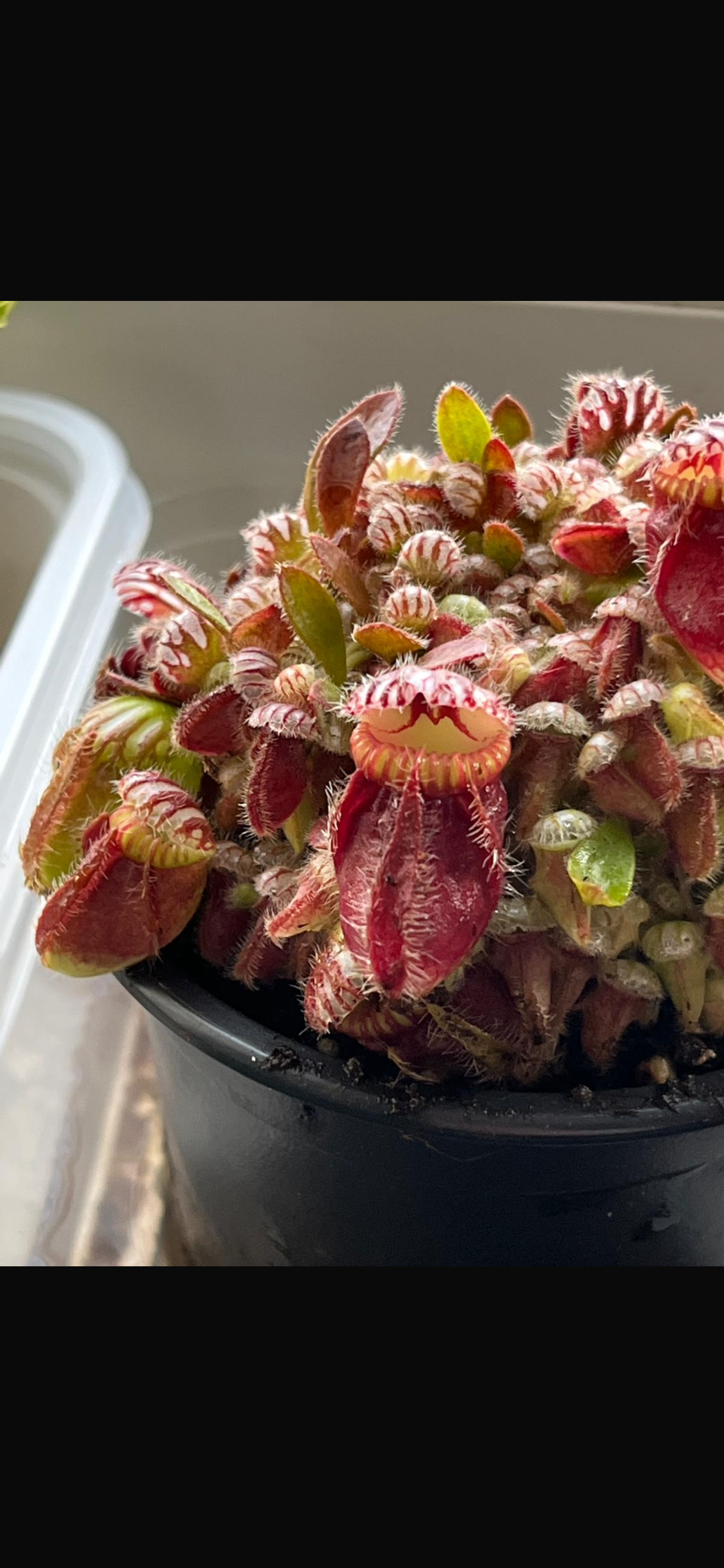
Cephalotus (The Albany Pitcher Plant)
Cephalotus follicularis, commonly known as the Albany Pitcher Plant, is a true gem among carnivorous plants. Native to a small region in southwestern Australia, it is the only species in its genus and is prized for its compact size, intricate detail, and remarkable appearance. Despite its modest stature, Cephalotus possesses an intensity and character that captivates growers and collectors alike.
What makes Cephalotus particularly fascinating is its ability to produce two distinct types of leaves. The first are flat, non-carnivorous leaves that support photosynthesis. The second are its iconic pitchers—small, highly detailed traps with toothed rims and a hinged lid. These pitchers resemble miniature versions of larger tropical species, yet they are entirely unique in structure and function.
The pitchers lure insects using nectar secreted along the rim. Once inside, prey is unable to escape due to the slippery inner walls and downward-pointing hairs. Digestive enzymes break down the captured insects, allowing the plant to absorb essential nutrients from otherwise poor soils.
Cephalotus thrives in bright light but prefers slightly cooler and more temperate conditions compared to tropical carnivorous plants. It benefits from excellent drainage, typically grown in a mix of peat, perlite, and sand. While it enjoys moisture, it is less tolerant of constantly waterlogged conditions than many bog plants, making careful watering essential.
One of the most appealing aspects of Cephalotus is its variability. Under strong light, pitchers can develop deep red or even almost black coloration, while lower light levels produce softer greens. Mature plants form dense clusters, creating a rich, textured display that evolves over time.
Although sometimes considered challenging, Cephalotus rewards patience and consistency. It is sensitive to sudden changes in conditions, but when settled, it can thrive and become a long-lived centrepiece.
Elegant, compact, and full of character, Cephalotus represents a perfect balance between beauty and intrigue—a must-have for any serious carnivorous plant enthusiast.
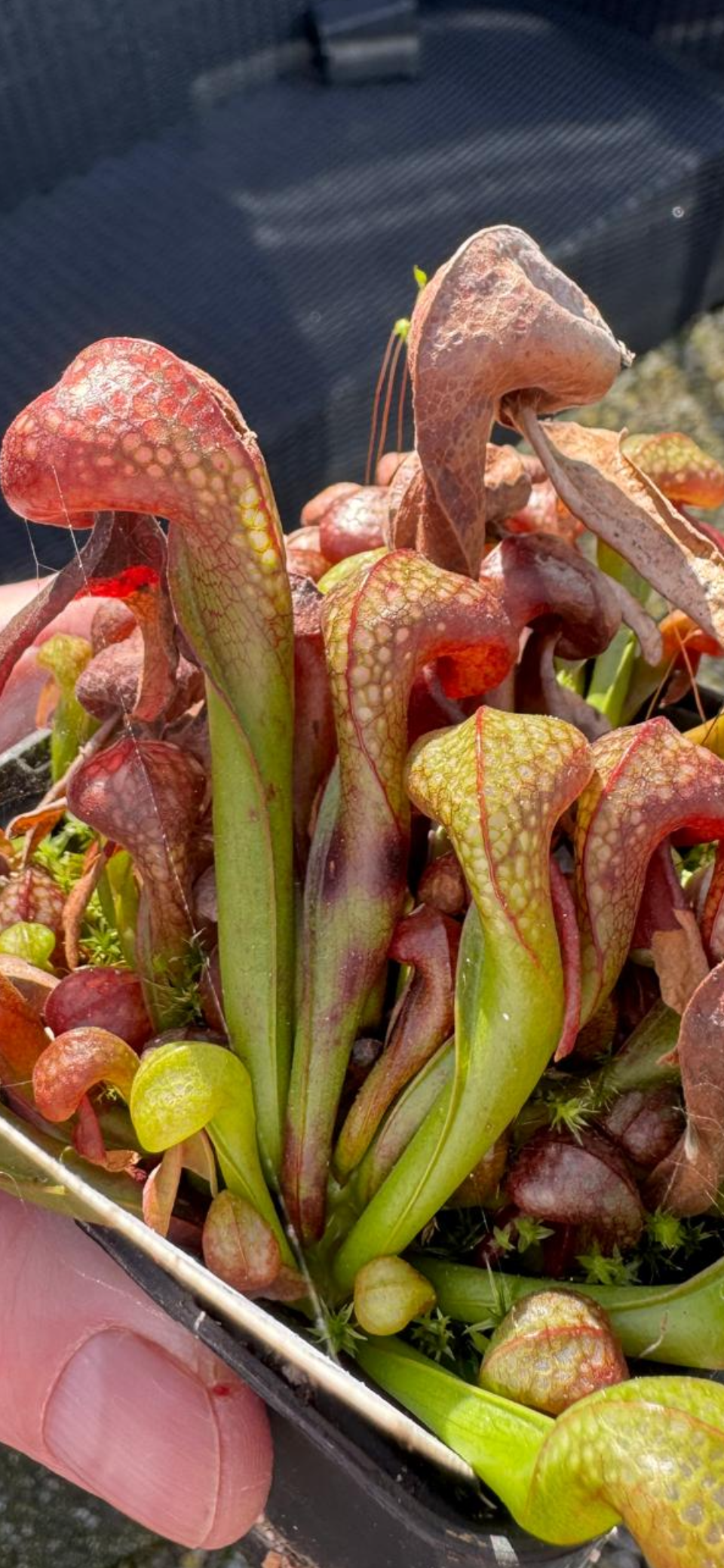
Darlingtonia (The Cobra Lily)
Darlingtonia californica, commonly known as the Cobra Lily, is one of the most unusual and captivating carnivorous plants in existence. Native to the cold, flowing waters of northern California and southern Oregon, this species stands apart from other pitcher plants due to both its appearance and its highly specialised growing requirements.
The plant earns its common name from its distinctive pitcher shape, which closely resembles a rearing cobra. Each tubular leaf curves upward before expanding into a bulbous hood, complete with forked appendages that mimic a serpent’s tongue. Translucent “windows” in the hood allow light to enter, confusing trapped insects and guiding them deeper into the plant.
Unlike many other carnivorous plants, Darlingtonia does not rely on a pool of digestive liquid filled with enzymes. Instead, it uses a combination of physical traps and microbial activity to break down prey. Insects are lured by nectar and visual cues, then become disoriented within the hood. Unable to find their way out, they eventually fall into the lower chamber where decomposition occurs.
What truly sets Darlingtonia apart is its demand for cool roots and constantly moving water in its natural habitat. In cultivation, this translates to a need for careful temperature management. While the plant enjoys bright light and warm air, its roots must remain cool—often achieved by flushing the pot with cool rainwater or ensuring excellent drainage and airflow.
Darlingtonia can be more challenging to grow than many other carnivorous plants, but it is immensely rewarding. When conditions are right, it produces striking clumps of pitchers that appear almost otherworldly, as if sculpted by nature with deliberate artistry.
In spring, the plant sends up nodding, balloon-like flowers in shades of green and maroon. These unusual blooms add yet another layer of intrigue to an already extraordinary species.
For those willing to meet its specific needs, the Cobra Lily offers something truly special—a plant that feels less like a garden specimen and more like a living curiosity, shaped by the unique environments from which it originates.
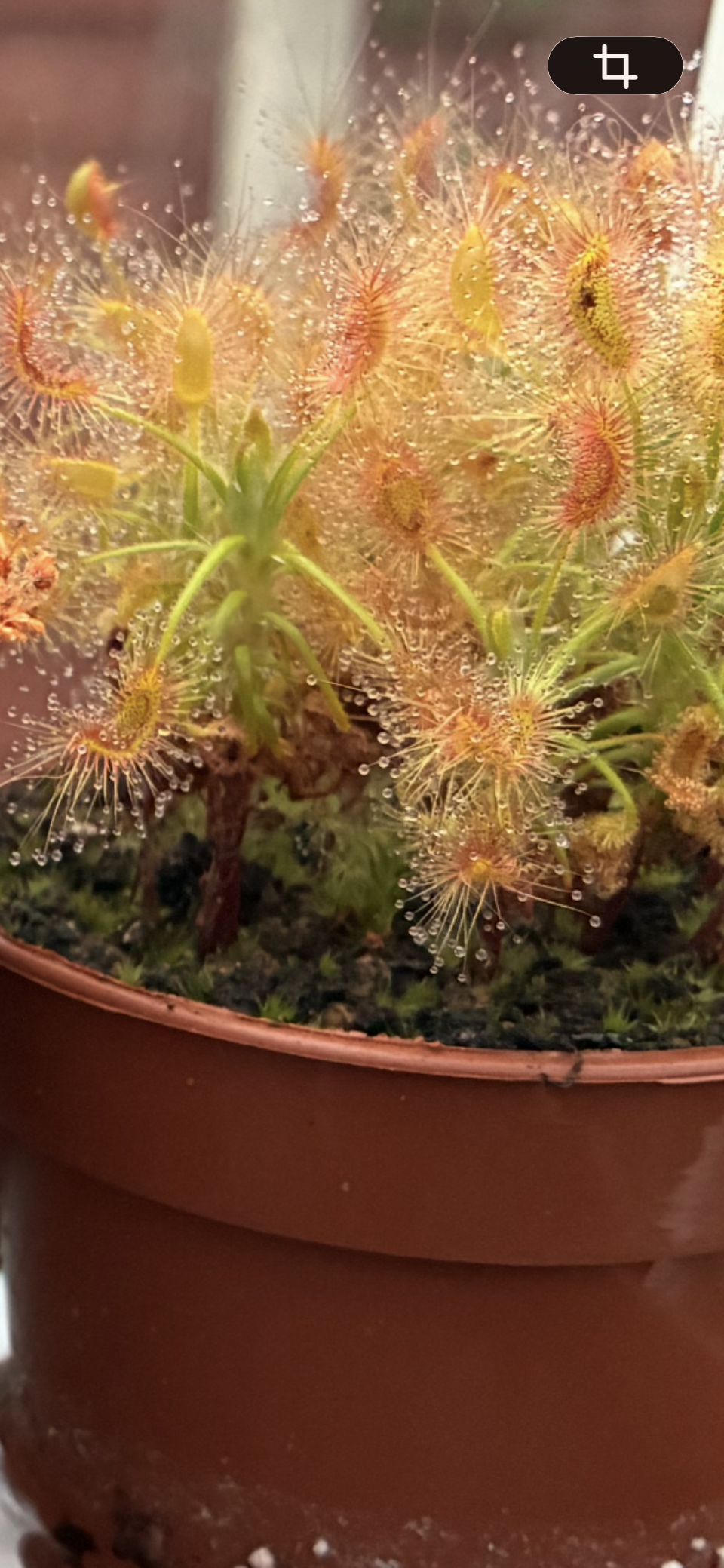
Drosera (Sundews)
Drosera, commonly known as sundews, are one of the most widespread and accessible groups of carnivorous plants. Found on every continent except Antarctica, they are renowned for their glistening, dew-covered leaves that sparkle in the sunlight like jewels.
Each leaf is covered in fine tentacles tipped with sticky mucilage. This “dew” is not water, but a viscous substance used to trap insects. When prey becomes ensnared, the tentacles slowly bend inward, further securing the insect and increasing contact with digestive enzymes.
Drosera exhibit an incredible diversity of forms. Some species are small and delicate, forming compact rosettes, while others grow into tall, climbing or even tuberous structures. This adaptability has allowed them to colonise a wide range of environments, from tropical wetlands to temperate regions with seasonal dormancy.
For beginners, many Drosera species are ideal. They are generally easy to grow, requiring bright light, pure water, and a nutrient-poor growing medium such as peat and sand. Some species remain active year-round, while others require a winter rest period.
One of the most captivating aspects of Drosera is their movement. Although slow, the curling of tentacles around prey is a visible and fascinating process, offering a rare glimpse into plant behaviour.
Under strong light, many sundews develop vibrant red or orange hues, enhancing their already striking appearance. Combined with the shimmering droplets on their leaves, this creates a display that is both beautiful and functional.
Drosera perfectly embody the elegance of carnivorous plants—simple in structure, yet highly effective in design. They are an essential addition to any collection, offering both visual appeal and a compelling demonstration of nature’s ingenuity.
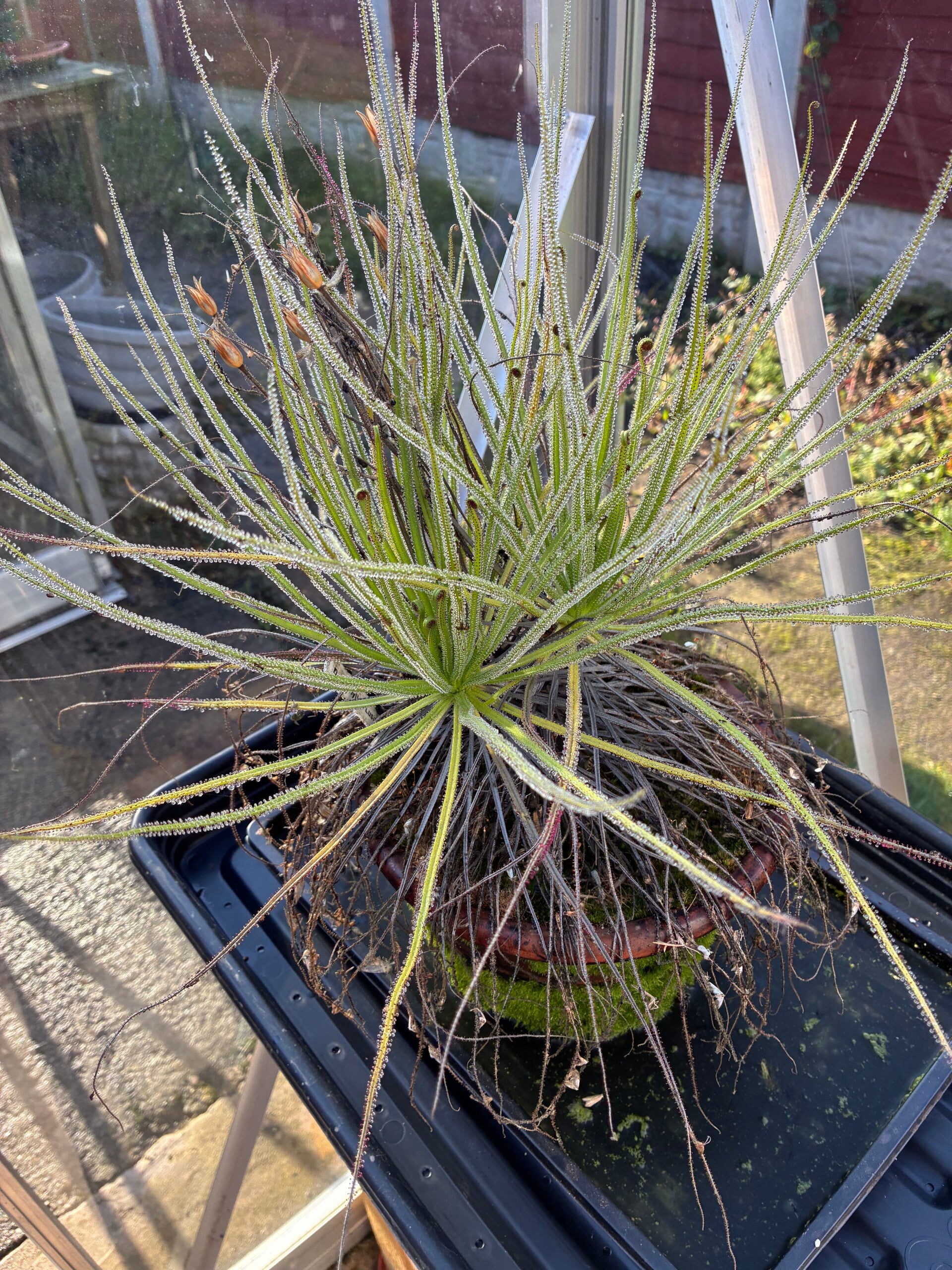
Drosophyllum (The Portuguese Sundew)
Drosophyllum lusitanicum is a truly unique carnivorous plant, often referred to as the Portuguese sundew. Native to dry regions of Portugal, Spain, and Morocco, it stands apart from most carnivorous plants by thriving in arid, sandy environments rather than wetlands.
Its long, narrow leaves are covered in sticky glands that trap insects in a manner similar to Drosera. However, unlike typical sundews, Drosophyllum does not rely on constant moisture. Instead, it has adapted to survive in dry conditions by developing deep roots that access underground water.
The plant emits a sweet, honey-like scent that attracts insects from a distance. Once trapped, prey is digested, providing essential nutrients that are otherwise scarce in its native soils.
Drosophyllum requires a very specific approach to cultivation. It demands excellent drainage, high light levels, and minimal disturbance to its roots. Overwatering or repotting can be detrimental, making it a plant best suited to careful, considered growing.
As it matures, Drosophyllum forms a striking, bushy plant with a wild, almost untamed appearance. In season, it produces bright yellow flowers that add a cheerful contrast to its sticky, insect-trapping foliage.
This is a plant that challenges expectations—a carnivorous species that prefers dryness over boggy conditions. For those willing to meet its unique needs, it offers a fascinating and highly rewarding growing experience.
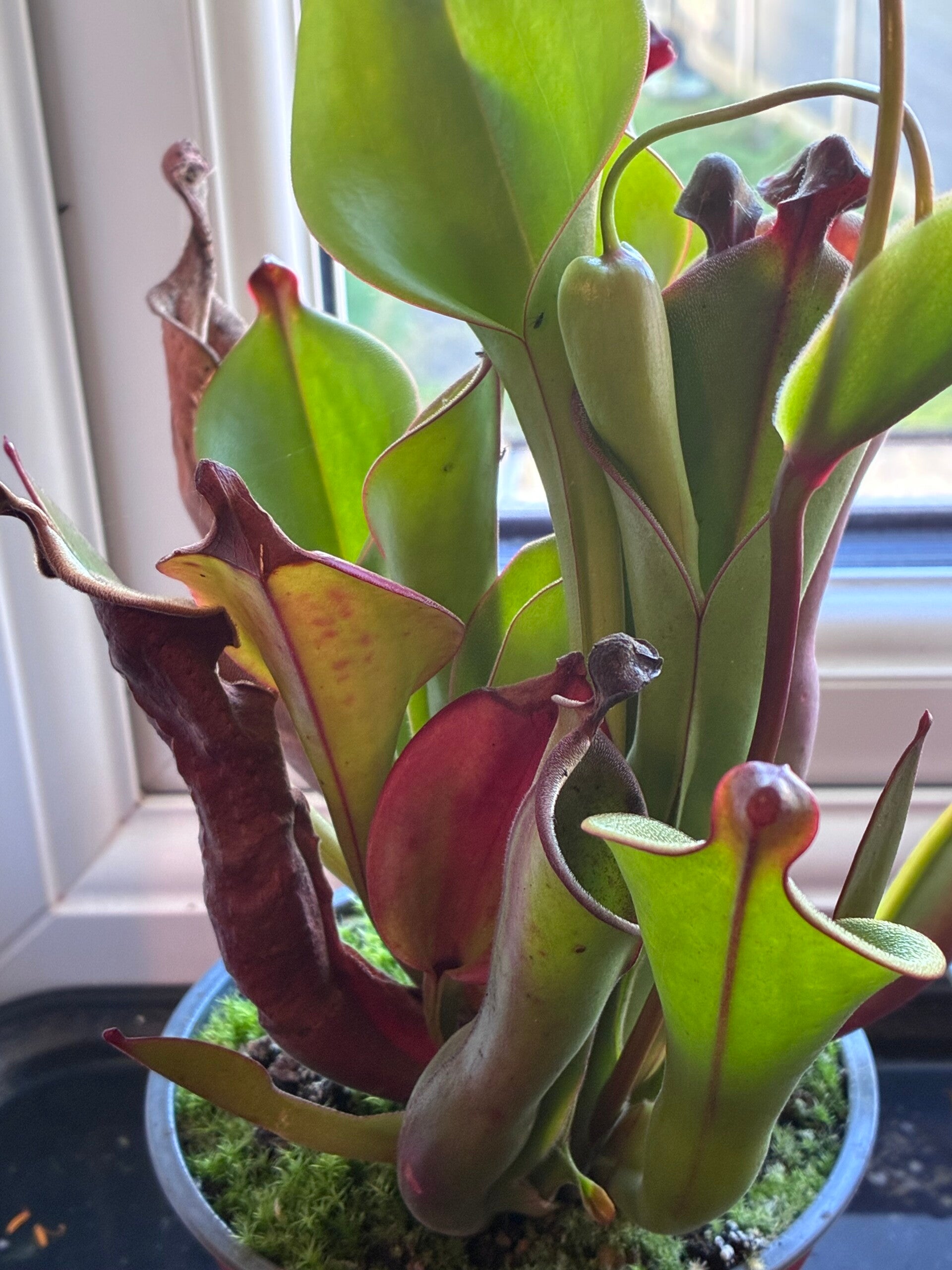
Heliamphora (Sun Pitchers)
Heliamphora, often referred to as sun pitchers, are among the most elegant and enigmatic of all carnivorous plants. Native to the remote tepui highlands of Venezuela, Guyana, and northern Brazil, they grow in some of most isolated and ancient landscapes on Earth—tabletop mountains shrouded in mist and mystery.
Unlike the tubular pitchers of Sarracenia, Heliamphora produce open, rolled leaves that form graceful, fluted traps. These pitchers often feature a small nectar spoon at the top, which secretes sweet droplets to attract insects. Once lured inside, prey is guided downward by smooth surfaces and subtle structural cues, eventually becoming trapped within the pitcher.
Heliamphora rely heavily on rainwater to fill their pitchers, and digestion is aided by both plant enzymes and naturally occurring bacteria. In their native habitat, frequent rainfall and high humidity create ideal conditions for this process.
One of the most striking features of Heliamphora is their refined beauty. Many species display delicate veining and subtle colour shifts, ranging from fresh green to deep red, depending on light levels. Under strong light, the pitchers can develop intense pigmentation, creating a dramatic and highly sought-after appearance.
Cultivating Heliamphora requires attention to detail. They thrive in high humidity, bright but diffused light, and consistently cool temperatures—particularly at night. Good airflow and pure water are essential, as these plants are highly sensitive to minerals and stagnant conditions. For many growers, they represent a step into more advanced carnivorous plant care.
Despite their reputation for being demanding, Heliamphora reward careful cultivation with steady growth and breathtaking form. Clumps gradually expand, producing multiple pitchers that create a layered, architectural display unlike any other genus.
Heliamphora embody a sense of rarity and refinement. They are not merely plants, but living pieces of a distant and ancient world—offering a glimpse into ecosystems that have remained largely unchanged for millions of years.
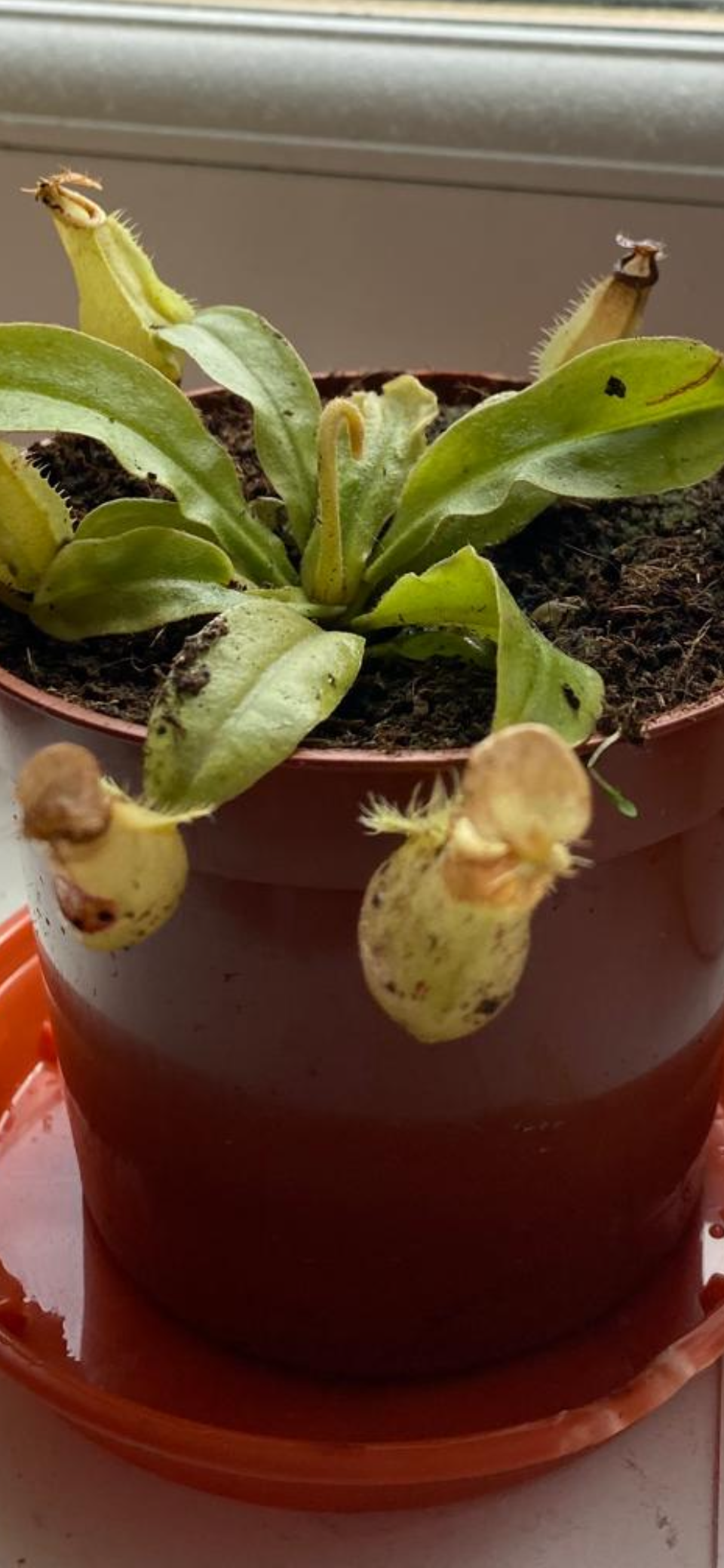
Nepenthes (Tropical Pitcher Plants)
Nepenthes are among the most diverse and visually spectacular carnivorous plants in the world. Native to tropical regions of Southeast Asia, Madagascar, and beyond, they are best known for their hanging pitchers, which dangle from the ends of long tendrils like natural works of art.
Each Nepenthes plant produces two types of pitchers: lower pitchers, which often rest near the base, and upper pitchers, which form as the plant climbs. These traps vary enormously in size, shape, and colour depending on the species—ranging from delicate, slender forms to large, bulbous structures capable of holding significant volumes of liquid.
The pitchers function as highly effective insect traps. Nectar, bright colours, and sometimes scent attract prey to the rim, known as the peristome. This surface becomes extremely slippery, especially when wet, causing insects to fall into the digestive fluid below. Some species have evolved even more specialised relationships, capturing not just insects but occasionally larger prey, or even forming mutualistic relationships with animals.
Nepenthes are broadly divided into lowland and highland species, each with distinct environmental requirements. Lowland varieties prefer consistently warm temperatures, while highland types require cooler nights to thrive. This distinction is crucial for successful cultivation.
In the UK, Nepenthes are typically grown indoors or in greenhouses, where humidity, light, and temperature can be carefully controlled. They thrive in bright, indirect light and benefit from high humidity and good airflow. A well-draining, airy growing medium—often including sphagnum moss, bark, and perlite—is essential.
Beyond their function, Nepenthes are admired for their extraordinary beauty. Many species display vibrant colours, intricate patterns, and dramatic forms that make them living sculptures.
For growers, Nepenthes offer a deeply engaging experience. Watching a tendril slowly inflate into a fully formed pitcher is one of the most satisfying processes in plant cultivation—an ever-evolving display of nature’s ingenuity.
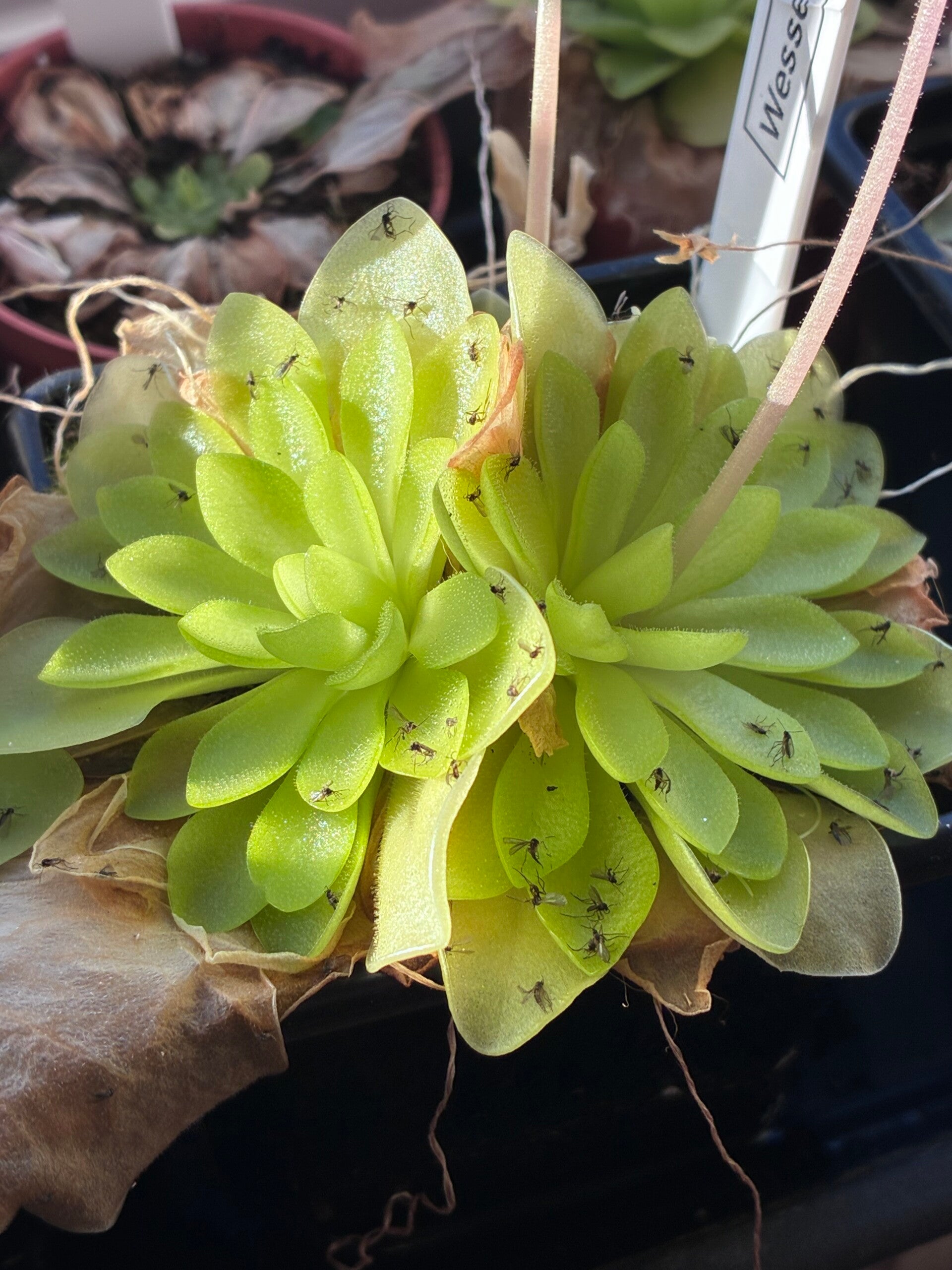
Pinguicula (Butterworts)
Pinguicula, commonly known as butterworts, are elegant and often understated carnivorous plants known for their smooth, slightly greasy leaves. Found across a wide range of habitats—from temperate regions to tropical environments—they offer remarkable diversity in both form and care requirements.
Their leaves are covered in glandular cells that produce a sticky substance used to trap small insects such as fungus gnats. Once captured, the prey is digested and absorbed directly through the leaf surface.
Butterworts are particularly valued for their dual nature. Many species undergo seasonal changes, producing carnivorous leaves during the growing season and non-carnivorous, succulent-like leaves during dormancy. This adaptability allows them to survive in a variety of conditions.
Their flowers are a standout feature—often delicate, vibrant, and orchid-like in appearance. Colours range from soft pastels to vivid purples and pinks, adding a decorative element that rivals many traditional flowering plants.
Pinguicula are generally easy to grow, especially tropical species, which thrive on bright windowsills with moderate humidity. They prefer a well-draining medium and should be kept moist but not waterlogged.
Compact, beautiful, and highly effective at controlling small insects, butterworts are an excellent choice for both beginners and experienced growers alike.
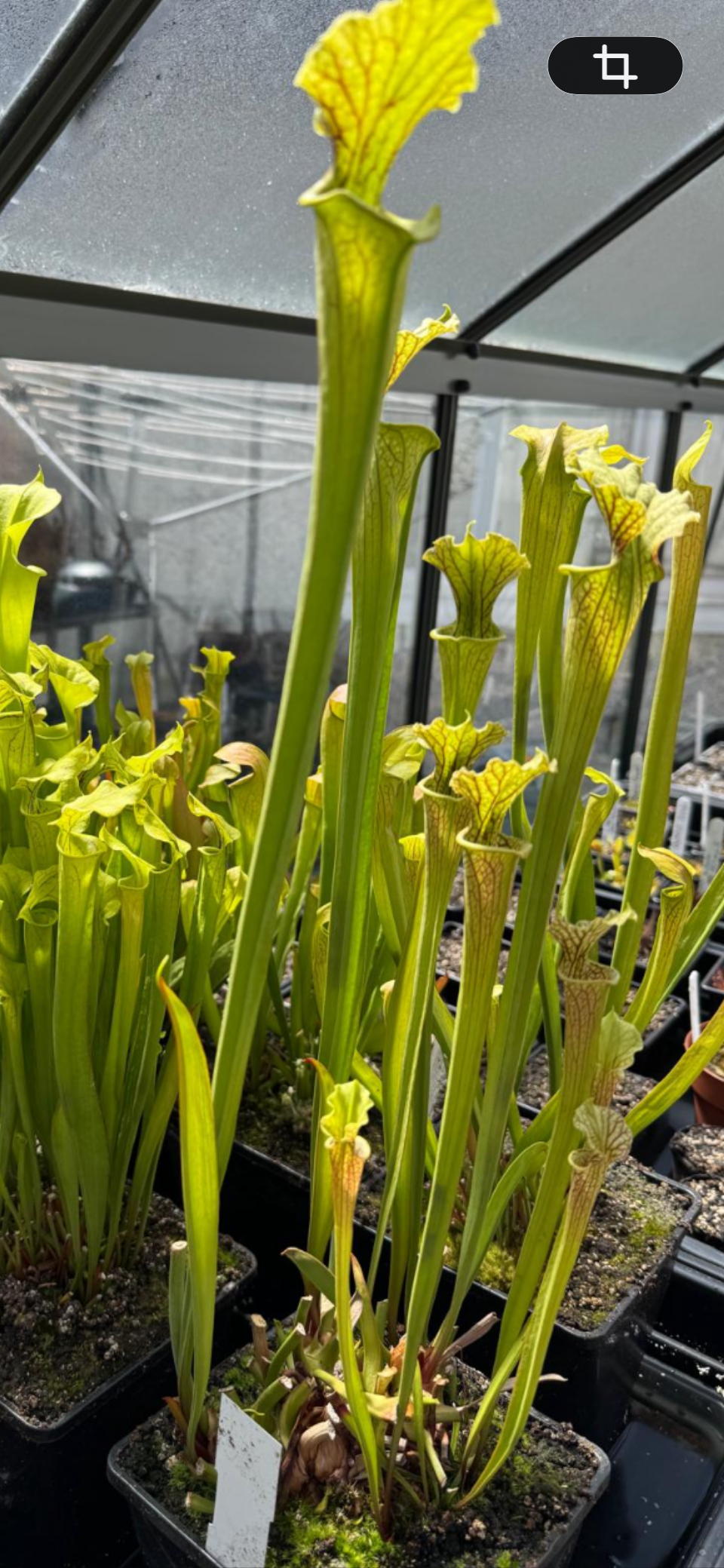
Sarracenia (North American Pitcher Plants)
Sarracenia are among the most iconic and visually striking carnivorous plants in the world, instantly recognisable for their tall, elegant tubular pitchers. Native to North America—primarily the southeastern United States—these plants thrive in open, sunny bogs where the soil is nutrient-poor but consistently wet. Their dramatic form and vivid colouration make them a centrepiece in any carnivorous plant collection.
Each Sarracenia leaf is modified into a vertical pitcher, designed to lure, trap, and digest insects. The top of the pitcher forms a hood, which helps prevent rainwater from diluting the digestive fluids within. Bright veining, nectar production, and often a subtle fragrance attract unsuspecting prey. Once inside, insects struggle to escape due to downward-pointing hairs and slippery inner surfaces, eventually falling into the digestive pool at the base.
There is remarkable diversity within the genus. Species such as Sarracenia flava produce tall, trumpet-like pitchers in shades of green and yellow, while Sarracenia purpurea forms shorter, more open pitchers that often collect rainwater. Hybrids, widely cultivated by enthusiasts, display an extraordinary range of colours—from deep crimson to almost black—and intricate patterns that resemble stained glass.
Sarracenia are particularly well-suited to outdoor cultivation in the UK climate. They require full sun to develop strong colours and healthy growth, and they thrive when grown in trays of rainwater using a peat and perlite mix. Unlike many tropical carnivorous plants, they undergo a natural winter dormancy, during which growth slows or stops entirely. This rest period is essential for long-term health and vigorous growth in the following season.
In spring, Sarracenia produce elegant flowers on tall stalks, often before new pitchers emerge. These blooms are not only beautiful but also cleverly positioned to avoid trapping pollinators, demonstrating the plant’s evolutionary refinement.
For beginners and experienced growers alike, Sarracenia offer a rewarding combination of beauty, resilience, and fascinating behaviour. Whether grown as individual specimens or in large bog displays, they bring a sense of wild, untamed nature to any space—capturing both the imagination and the admiration of all who encounter them.
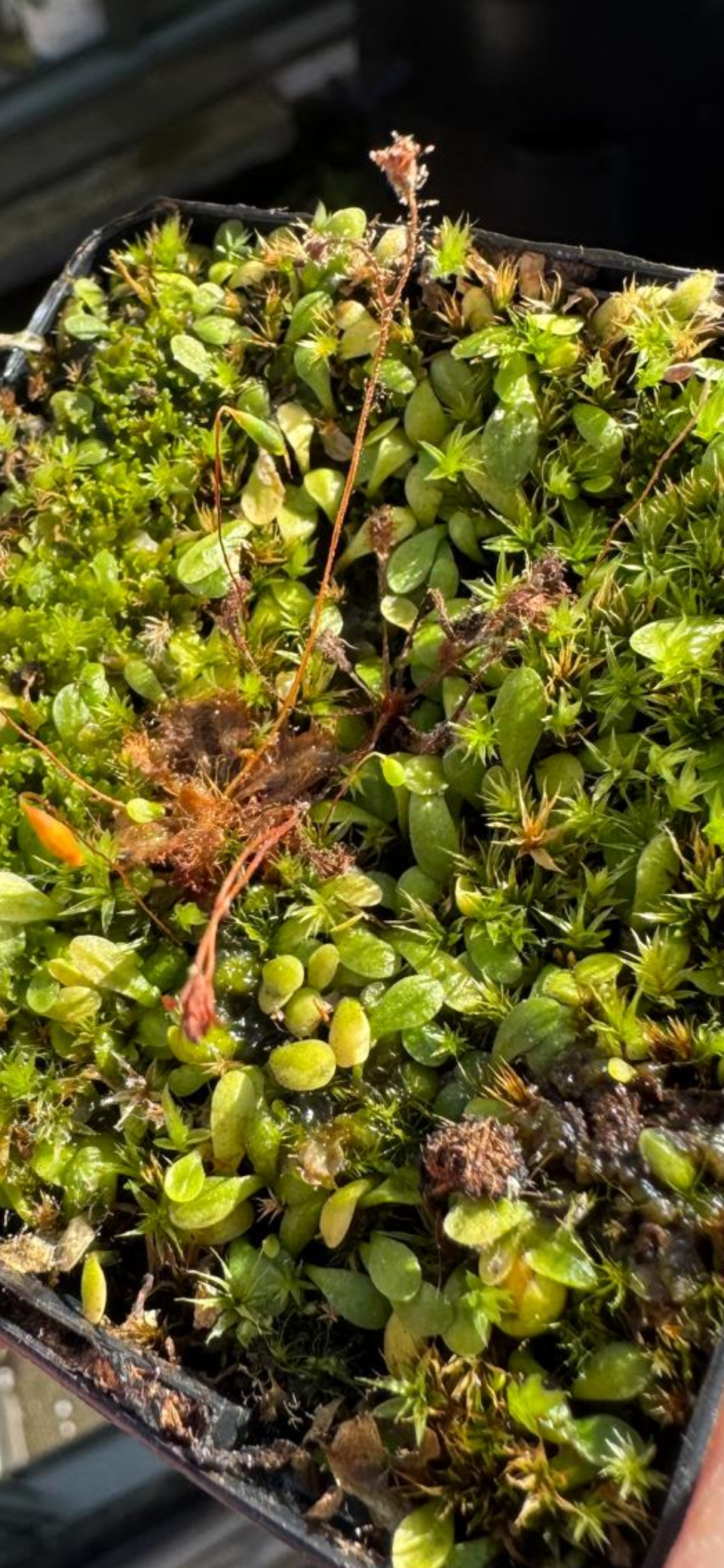
Utricularia (Bladderworts)
Utricularia are among the most fascinating yet often overlooked carnivorous plants. Known as bladderworts, they possess one of the fastest trapping mechanisms in the plant kingdom.
Instead of visible traps, Utricularia produce tiny bladder-like structures that function as suction traps. These bladders create a vacuum, and when triggered by microscopic prey, they open and suck in the organism in a fraction of a second.
Utricularia are incredibly diverse, with species adapted to aquatic, terrestrial, and even epiphytic environments. Some grow in water, while others form delicate mats in moist soil or moss.
Despite their hidden traps, Utricularia are celebrated for their flowers. Often compared to miniature orchids, these blooms rise above the foliage on slender stalks and display a surprising range of colours and forms.
They are generally easy to grow and can thrive in a variety of conditions, depending on the species. Many terrestrial types are particularly forgiving and make excellent additions to carnivorous plant collections.
Utricularia demonstrate that size does not limit sophistication. Their microscopic traps and beautiful flowers combine to create a plant that is both scientifically remarkable and visually delightful.
"Wow, so much information about the world of Carnivorous plants and all in one place"
Oliver Hartman